
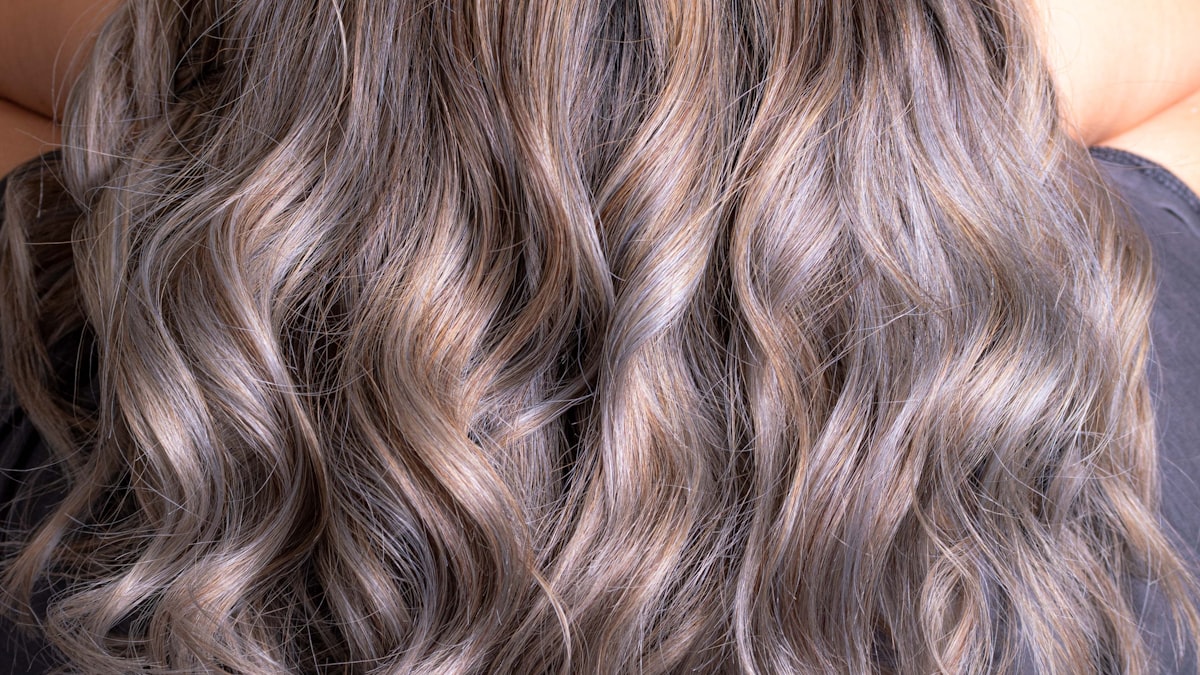
The single biggest factor in whether balayage looks stunning or slightly “off” isn’t the technique — it’s whether the tone actually suits your skin and your natural base color. Here’s how Elena thinks through it at a consultation.

Warm vs. cool, simplified
If your skin has golden, peachy, or olive undertones, warmer balayage tones — honey, caramel, golden blonde — tend to look the most natural and flattering against your complexion. Cooler undertones — pink or blue-ish — usually pair better with ash, beige, or champagne tones that don’t fight against your skin’s natural coloring.
Your natural base color still matters
Balayage lightens your existing hair rather than replacing it, so your starting color affects what’s achievable in one visit. Very dark bases may need a gentler, more gradual approach to avoid brassiness, while lighter bases can usually reach a wider range of tones in a single appointment.
What’s actually useful to bring to your consultation
Inspiration photos help, but the most useful ones show hair color as it naturally sits in daylight, not filtered or under salon lighting. Photos of the exact tone you like are more helpful than a vague “something like this,” and being upfront about your hair’s history — previous color, box dye, heat damage — helps Elena set realistic expectations from the start.
Not sure which direction suits you? That’s exactly what the consultation is for — bring your questions and your inspiration photos, and Elena will help you land on a tone that actually works with what you’ve got.